
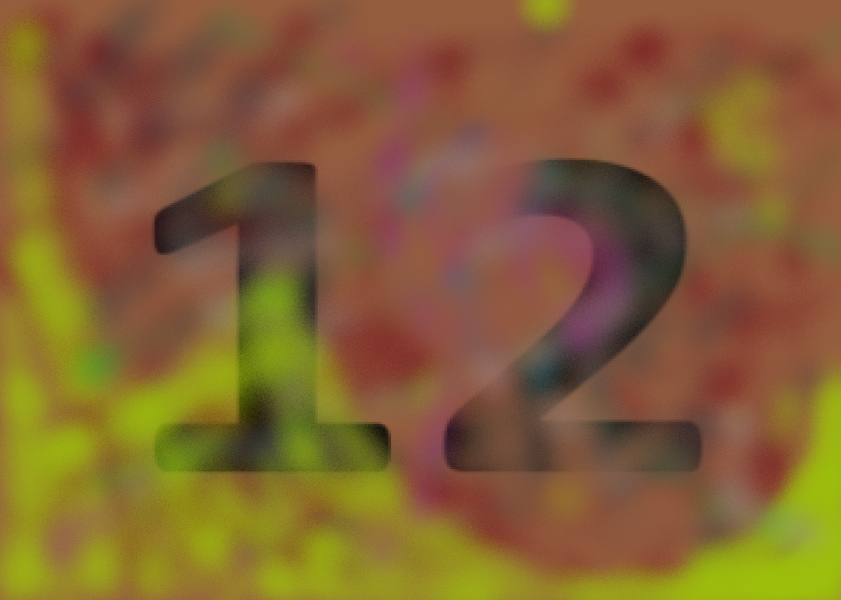
Seit zwölf Jahren mache ich das. Gegen RPG-a-Day anschreiben. Wider RPG-a-Day. Wieder und Wieder. Jeden Tag, jeden August seit 2015. Meistens alleine, manchmal gemeinsam mit Anderen hier auf d6ideas oder auch über verschiedene Blogs hinweg.
2015: ArtifactaDay
2016: Loot-a-Day
2017: Rival-a-Day
2018: Ad-Blog
2019: RPG+Ally+a+Day
2020: Nicht einen Schritt zurück
2021: Veteran-a-Day
2022: Die tausend Titel des Katzenkaisers
2023: Sommerverdichtung
2024: Campaignconcept-a-Day
2025: A-Piece-of-History-every-Day / Geschichtsweltenberechnung
Und jetzt? Nebenan beim Kritischen Fehlschlag lautet die Losung „Tatorte„.
Aber hier? Seit zwölf Jahren diese Drecksarbeit lässt nur eine Möglichkeit zu:
Das Dreckige Dutzend.
Interpretiert via dem Dreckigen Dutzend persistenter organischer Schadstoffe wie DDT und Dioxin (wobei das Dreckige Dutzend der biologischen Waffen eine frühere Überlegung war und vielleicht teilweise noch mitschwingt).
Einhundertvierundvierzig Giftstoffe und Umweltgifte (in weitestem, freien Sinne). Je zwölf für zwölf Systeme. Einunddreißig Tage. Zwölf Jahre wider RPG-a-Day.
Blue Planet ist vielleicht(?) das einfachste System, um das Thema Umweltverschmutzung und Schadstoffe zu bearbeiten. Das Fundament von Blue Planet is Ökologie. Eine Kernthematik ist die Gefahr, menschliche Akteure könnte nach dem ersten auch noch einen zweiten lebentragenden Planeten durch Raubbau ruinieren. Hier geht es also tatsächlich nur, ein paar konkrete Beispiele anzuzählen. Namen und „Gesichter“ als mögliche Beschreibungsdetails auszubreiten.
- Bioplastikakkumulation in Pseudofungi – während Bioplastik einerseits als voll abbaubare Werkstoffklasse geschätzt wird und andererseits einige ihrer Vertreter sich als extrem anfällig gegen Arten auf Poseidon heimischer Pseudopilze (Fast Fungus) erweisen, häufen sich nach und nach Hinweise auf eine unerwartete Wechselwirkung und manche Pseudopilze scheinbar nicht in der Lage sind irdisches Bioplastik vollständig abzubauen, so dass es zur Bioakkumulation unverdaulicher Reststrukturen in den Pseudopilzen kommt mit noch unklarer Auswirkung auf diese und auf nachfolgende Glieder der Nahrungskette
- Binärtreibladungsrückstände – da die beiden Komponenten für Feuerwaffen typischer Binärtreibladungen in vielen Waffenmodellen nicht in auf die gleiche Anzahl von Schüßen ausgelegten Mengen geladen werden, fällt beim vollständigen Entladen von Waffen in vielen Fällen eine kleinere oder größere Menge flüssiger Treibladungskomponente als Abfall an, die im Feld oder bei unsachgemäßer Handhabung in die Umwelt gelangen
- Medizinische Kryoflüssigkeiten – die für die Reise zwischen Sol und Lambda Serpentis verwendeten Kälteschlafkammern sind eine weitere Quelle möglicher Fremd- und – für das lokale Ökosystem – Schadstoffe, auch wenn die Einbringungsmengen durch die in aller Regel noch im Orbit stattfindenden Erweckungsprozeduren gering sind
- Long John-Templates – Xenosilikate selbst sind offenkundig erst einmal keine Schadstoffe, aus ihnen gefertigte Genmodifikationswerkzeuge aber können potentiell enormen Schaden anrichten, werden aber schon alleine auf Grund ihres erheblichen Wertes gut gesichert
- Immunsuppressiva – mit den gerade im Bereich von weniger hochwertigen Biomodifikationen eingesetzten Medikamenten zur Unterdrückung des Immunsystems sieht es schon anders aus, zumal die Einrichtungen, in denen sie am stärksten eingesetzt werden, gleichzeitig solche mit einer höheren Chance für nicht immer sachgemäße Entsorgung sind
- Antibiotika – ähnlich steht es um Antibiotika, so dass bereits erste Anzeichen und große Sorge bezüglich des Aufkommens resistenter Stämme lokaler Erreger die Runde machen
- Fungizide – Umstände, die so auch auf für den Einsatz gegen pathogene Pseudopilze gedachte Medikamente zutreffen
- Schwermetalle – diese Gefahren für die Umwelt aus der beginnenden Industrialisierung Poseidons sind zwar mehr als bekannt, dadurch aber nicht weniger präsent
- Batteriezellen – während der Aufbau einer lokalen Industrieproduktion mit dem Aufkommen von Schadstoffen in großem Maßstab droht, ist die Allgegenwärtigkeit von hochwertigen Batteriespeichern ein im Einzelfall kleineres, dafür aber ungleich verbreiteteres und schlechter zu kontrollierendes Risiko
- Plastikfasern – nicht nur die möglichen Interaktionen zwischen irdischem Bioplastik und lokalen Pseudopilzen stellen eine mögliche Quelle von Umweltbelastung dar, die pseudopilzresistenten Bioplastikarten können ihrerseits als Mikrofasern und -partikel zum Problem werden, auch wenn hier (noch) von einer – ob der Resistenz verlangsamten – Abbaubarkeit ausgegangen wird
- Hochradioaktive Stoffe – insbesondere die von der GEO stationierten Atomwaffen bergen ihre allzu bekannten Gefahren
- Hochpotente Sauerstoffbinder – unter dem Spitznamen „Oxygen Destroyer“ haben insbesondere NIS aber auch andere Konzernstaaten die Entwicklung von Stoffen in Erwägung gezogen, um größere Unterseegebiete gezielt in tote, sauerstoffarme Zonen zu verwandeln